
In the Australian Senate, few moments capture public attention like a blistering, fact-driven takedown that cuts through political spin. On a day that began as routine parliamentary business, Senator Andrew Bragg, the Liberal Party’s Shadow Minister for Housing, delivered exactly that: a five-minute masterclass in accountability that left the Albanese Labor government exposed on its two biggest failures—reckless net spending and an unchecked immigration surge fueling the nation’s housing crisis.

What was intended as a standard contribution quickly transformed into a surgical dissection. Bragg rose with calm precision, armed not with rhetoric but with cold, hard numbers that no amount of deflection could obscure. He laid bare how Labor’s policies have driven house prices to record highs, pricing out an entire generation of young Australians while contradicting every promise made during their time in office.
At the heart of Bragg’s critique was Labor’s approach to fiscal management. Since taking power, the government has overseen massive net spending increases, contributing to persistent inflation and ballooning public debt now approaching a trillion dollars. Bragg highlighted the absurdity of pouring enormous sums into housing initiatives only to achieve worse outcomes. He pointed to figures showing nearly $80 billion committed to housing-related programs—yet dwelling completions have fallen sharply from around 200,000 homes per year under the previous Coalition government to roughly 170,000 under Labor.
“Imagine spending $80 billion to build fewer houses than ever before,” Bragg has repeatedly stated in various addresses. “You don’t have to imagine it. It’s Labor’s Australia.”
This isn’t mere opposition point-scoring; it’s a scoreboard that refuses to lie. Housing approvals and completions have lagged dramatically behind targets, with the government trailing by tens of thousands of homes annually. Bragg argued that this failure stems from a fundamental misunderstanding: throwing taxpayer money at the problem without addressing core supply barriers like planning red tape, zoning restrictions, and infrastructure bottlenecks. Instead of unleashing private-sector building, Labor’s approach has created dependency on government schemes that distort the market rather than fix it.
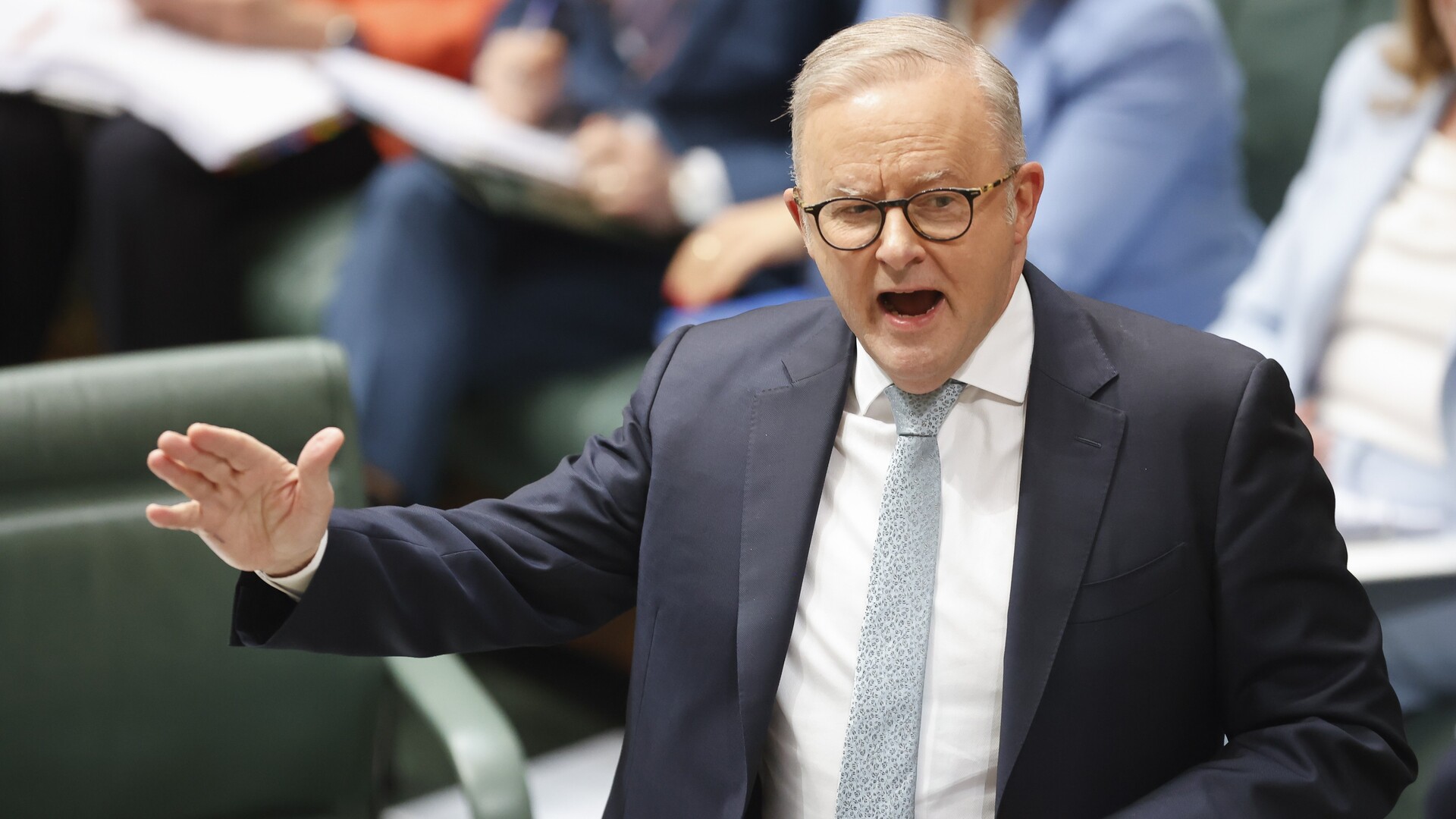
The most savage part of Bragg’s Senate remarks targeted Labor’s flagship 5% deposit scheme for first-home buyers. Marketed as a lifeline to help young people enter the property market sooner, Bragg called it an outright farce—a policy launched with zero rigorous modeling, zero independent analysis, and zero foresight into real-world consequences. By allowing buyers to purchase with just a 5% deposit (expanded without income caps or meaningful safeguards), the scheme has injected additional demand into an already supply-constrained market. The predictable result? Entry-level prices surged even higher, turbocharging competition and locking out the very people it was meant to help.
Bragg didn’t mince words: the scheme is “cooking” the housing market. Without corresponding increases in supply, extra borrowing power simply bids up existing stock, benefiting sellers, investors, and banks while young first-home buyers face higher barriers. He demanded transparency on any modeling the government had done—information that, tellingly, remains secret or elusive. In one pointed exchange, Bragg noted that removing means-testing created a massive contingent liability for taxpayers, potentially in the tens of billions, all to prop up a policy that exacerbates the crisis it claims to solve.
Compounding this demand-side stimulus is Labor’s record-high net migration intake. Australia has seen one of the largest population surges in decades, with hundreds of thousands arriving annually. Bragg connected the dots unflinchingly: when migration floods in while housing construction collapses, the math is brutal. New arrivals compete directly for the same limited pool of homes, driving rents and prices upward. He cited how this imbalance has turned what could have been managed population growth into a national emergency for affordability.
Critically, Bragg has acknowledged that migration isn’t the sole culprit—cutting it to zero wouldn’t magically resolve the supply shortage—but he insisted that failing to calibrate inflows to construction capacity is reckless governance. Labor’s own admissions in Senate estimates have revealed gaps in understanding migration’s precise impact on housing, further underscoring the lack of joined-up policy.
The chamber fell silent as Bragg concluded. No spin could salvage the moment. Here was a senator refusing to let platitudes substitute for progress, exposing how a government elected on promises of fairness and affordability has presided over the opposite: soaring costs, stalled building, and a generation increasingly resigned to renting forever.
Bragg’s intervention resonates because it speaks to lived reality. Young Australians aren’t just statistics; they’re sons, daughters, and future leaders priced out of the dream their parents achieved. Families watch helplessly as equity evaporates under inflation and interest rates. Regional communities face rental shortages as urban pressures spill over.
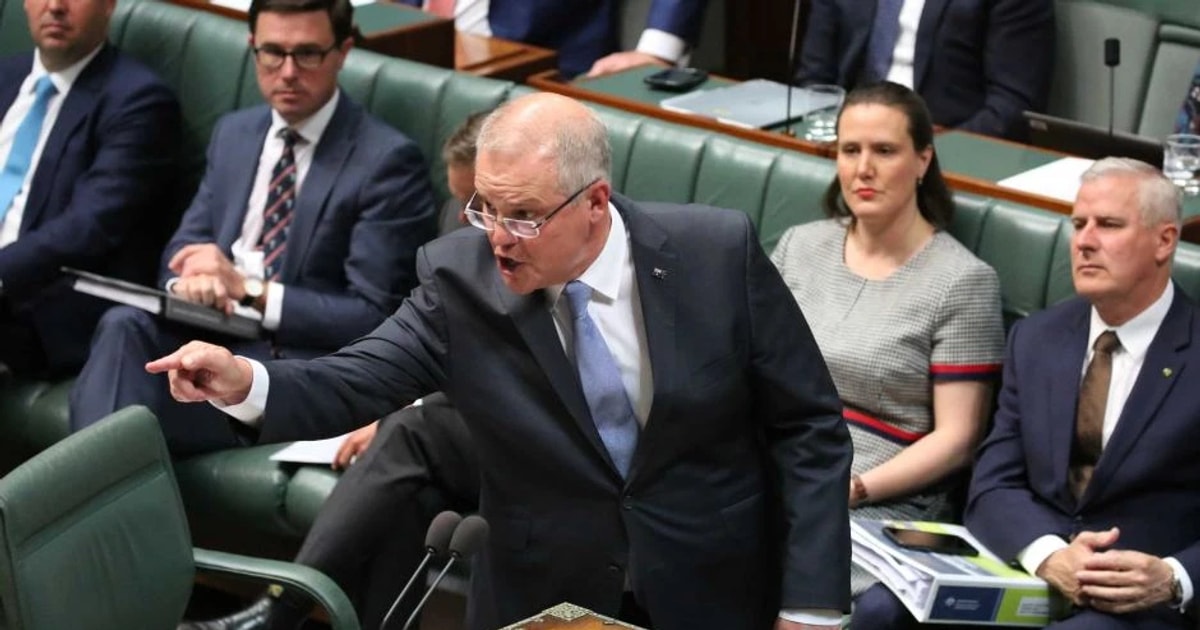
The path forward, as Bragg advocates, is clear and supply-focused: slash red tape, incentivize genuine building, prioritize home ownership over investor perks, and align population settings with infrastructure reality. A Liberal approach, he argues, would embrace a “YIMBY” (Yes In My Backyard) mindset—welcoming density and development rather than blocking it.
In just five minutes, Senator Andrew Bragg didn’t merely criticize; he demolished the facade of competence. He reminded Australians that governments are judged not by announcements or dollars spent, but by outcomes delivered. On housing, Labor’s record is damning: massive spending for fewer homes, policies that inflate prices, and an immigration pace outstripping supply. Until that changes, the crisis will deepen—and voices like Bragg’s will continue holding power to account.
The question now isn’t whether the problems exist. It’s whether those in charge have the courage to fix them—or if they’ll keep pretending the numbers don’t matter. For millions of Australians waiting for a fair go at home ownership, the answer can’t come soon enough.