
The Sunrise studio fell into an unusual silence when Hugh Jackman began speaking, not with rehearsed charm, but with deliberate seriousness. Viewers immediately sensed this was not a promotional appearance, but a moment where personal conviction overtook celebrity caution.
Jackman addressed the burqa debate directly, acknowledging it as one of Australia’s most emotionally charged and politically weaponized topics. In an industry where neutrality is often safer, his decision to speak plainly surprised both hosts and the audience watching nationwide.
He made it clear that his concern was not the garment itself, but how the issue had been distorted. According to Jackman, the discussion had been hijacked by extremes, stripped of nuance, and transformed into a spectacle designed to provoke fear.
Without naming individuals at first, he described how certain voices had turned the debate into a smear campaign. In his view, this approach reduced complex cultural and social questions into slogans that deepened division rather than encouraged understanding.
The mention of Pauline Hanson came naturally within this context. Jackman did not focus on her personally, but on how controversies surrounding her had shaped public discourse into a cycle of outrage, reaction, and political point-scoring.
What made the moment striking was Jackman’s tone. There was no mockery, no anger, only frustration. He spoke as someone disappointed by the quality of conversation rather than offended by opposing views.
He criticized extremists on all sides for thriving on conflict. In his words, outrage had become currency, and reasoned discussion had been pushed aside because it did not generate the same emotional response or media attention.
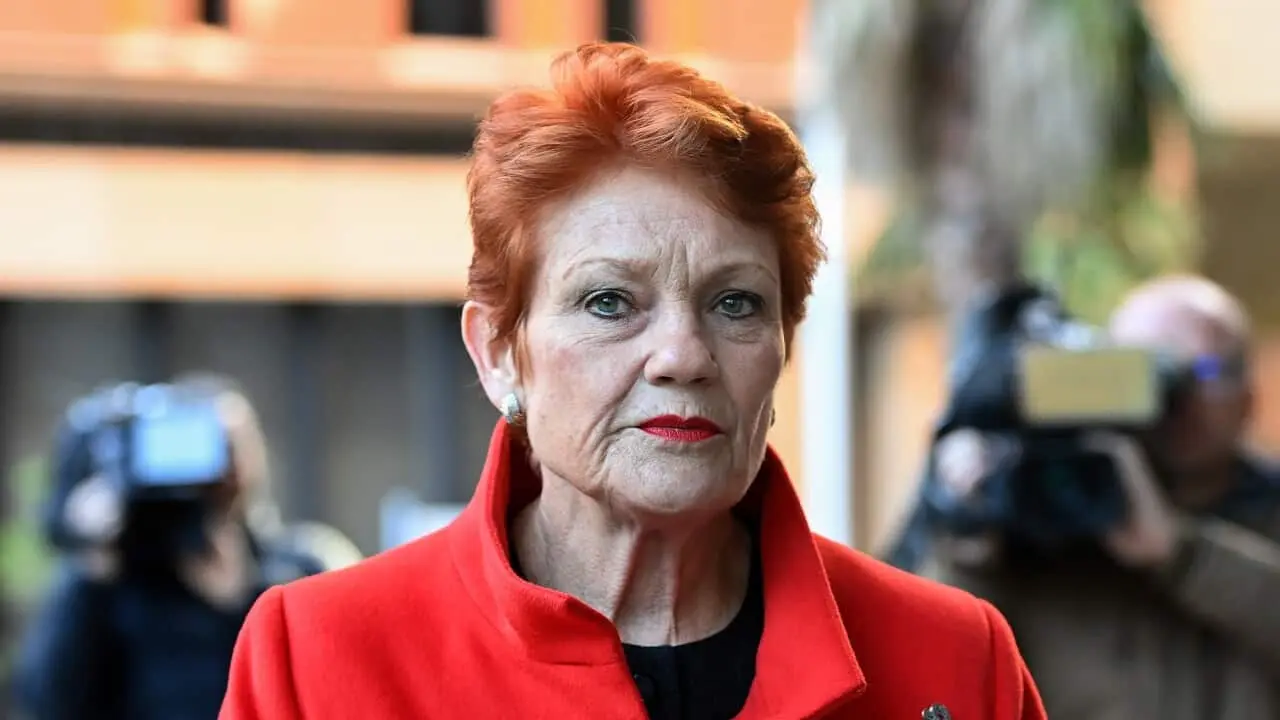
Jackman then turned his attention to traditional political parties, accusing them of failing to protect honest debate. He argued that silence and avoidance had allowed the loudest voices to dominate, leaving ordinary Australians without balanced representation.
This criticism cut deeper than expected. Rather than attacking fringe figures alone, he suggested that mainstream parties had indirectly contributed to polarization by refusing to engage openly with uncomfortable topics.
The studio remained quiet as he spoke, a rare moment on morning television. Even the hosts appeared cautious, aware that the conversation had crossed into territory usually reserved for political panels, not entertainment interviews.
Jackman emphasized that disagreement itself was not the problem. The real issue, he argued, was the erosion of trust caused when discussions became performative rather than sincere, aimed at winning attention instead of seeking solutions.
When he shifted focus to the Albanese government, the atmosphere changed noticeably. His comments were measured but firm, questioning whether leadership had done enough to foster open dialogue without pandering to extremes.
He acknowledged the complexity of governing in a divided climate, but insisted that avoiding controversial conversations ultimately weakens democracy. In his view, leadership requires confronting discomfort, not managing it away.
This was the moment public reaction erupted. Social media lit up instantly, clips circulated within minutes, and viewers expressed shock that such statements were being made on live breakfast television.
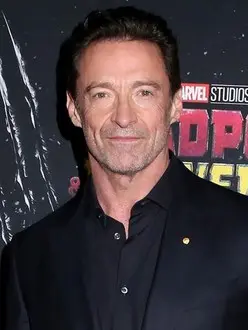
Some praised Jackman for courage, calling his words overdue. Others accused him of overstepping his role as an actor. The divide in reactions mirrored the very polarization he had described moments earlier.
What stood out was that Jackman never claimed authority over policy. He framed his speech as a citizen’s concern, not an expert’s verdict, repeatedly stressing the importance of listening rather than declaring answers.
He spoke about the responsibility that comes with a public platform. For him, remaining silent out of fear of backlash was itself a form of participation in a broken system of discourse.
The entertainment industry’s unspoken rules were clearly challenged. Jackman acknowledged that speaking on such topics risks career consequences, but suggested that avoiding them entirely carries a different kind of cost.
The segment ended without dramatic conclusion. There was no applause, no final punchline. The silence that followed felt heavy, as if the studio itself needed time to process what had been said.
In the hours that followed, media outlets debated whether the moment marked a turning point. Some described it as reckless, others as refreshingly honest in an era of scripted public appearances.
Political commentators noted that Jackman’s criticism landed precisely because it avoided partisanship. By criticizing extremists, traditional parties, and government alike, he positioned himself outside usual political camps.
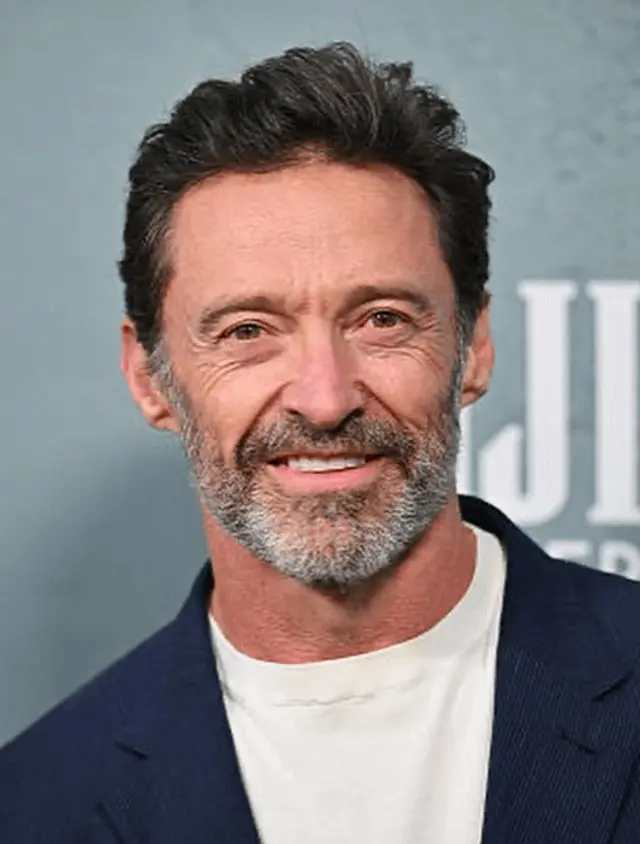
The Albanese government did not respond immediately. Advisors later suggested the remarks reflected broader public frustration, though they stopped short of addressing specific criticisms raised during the broadcast.
Pauline Hanson, as expected, became part of the online conversation, with supporters and critics alike referencing Jackman’s comments to reinforce their existing positions rather than reconsider them.
Ironically, the speech demonstrated the very problem Jackman highlighted. Instead of sparking dialogue, many reactions defaulted to outrage or defense, reinforcing how difficult meaningful discussion has become.
Yet others saw value in the discomfort. Community leaders and educators shared the clip, using it as an example of how contentious topics might be addressed without hostility or simplification.
The moment also raised questions about celebrity influence. Should public figures speak on political issues, or does their visibility distort debate? Jackman appeared aware of this tension and accepted the criticism that followed.
What made the speech resonate was not its policy implications, but its emotional honesty. He spoke less about solutions and more about the damage caused when societies stop talking to themselves honestly.

For Sunrise viewers, the segment became more than television. It was a reminder that difficult conversations cannot be outsourced to politicians alone, nor avoided indefinitely without consequence.
In the days after, ratings spikes confirmed the impact. People had not turned away in discomfort; they had leaned in, even if they disagreed with what they heard.
Australian television has seen many dramatic moments, but few where silence carried so much weight. Jackman’s words lingered precisely because they resisted easy categorization.
Whether remembered as courageous or controversial, the speech marked a rare interruption of routine discourse. It forced viewers to confront how debates are framed, who controls them, and why honesty feels so disruptive.
In the end, Hugh Jackman did not offer answers. He offered a challenge: to speak, listen, and argue without turning disagreement into spectacle, a challenge that continues long after the studio lights dimmed.