
“HE DIED IN MY PLACE!” – Anthony Joshua cried out in anguish at Latif Ayodele’s grave. In that moment, Joshua revealed the secret about the “sabotaged car” before the accident. His act of kneeling 100 times at the grave and his announcement of retiring from boxing shocked the British media. The truth about that fateful night was more horrific than we imagined.
Anthony Joshua stood silently before the modest grave, shoulders shaking, eyes swollen from hours of crying. The world champion who once ruled packed arenas now looked fragile, whispering prayers as rain soaked his coat and the surrounding mourners watched in stunned silence.
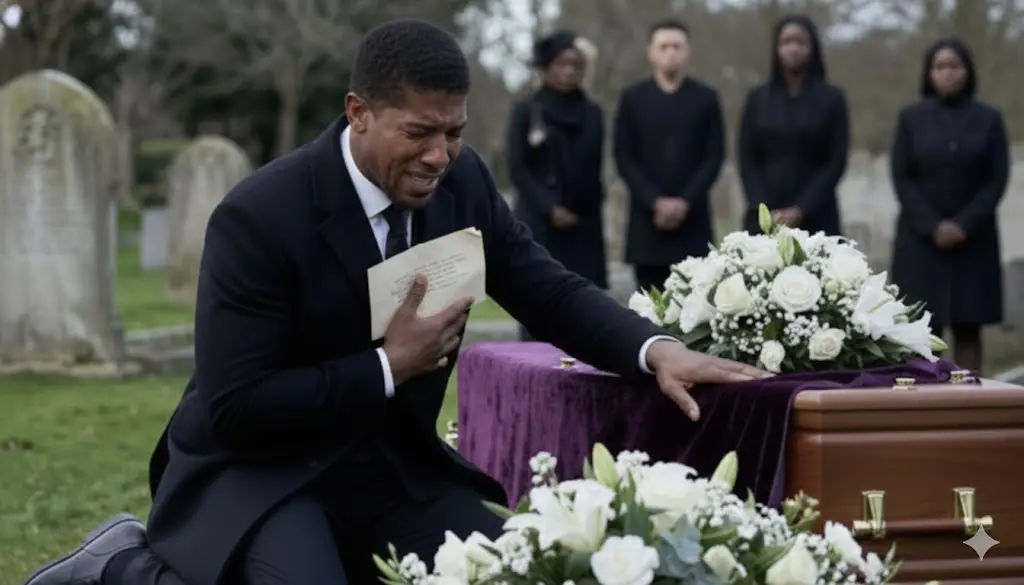
Latif Ayodele was not a public figure, not an athlete, not a celebrity. He was Joshua’s longtime friend, driver, and confidant, a man who had been beside him since the earliest amateur days, long before belts, fame, and unimaginable pressure entered their lives.
Witnesses said Joshua suddenly collapsed to his knees, striking the cold ground again and again. He knelt one hundred times, counting each movement aloud, calling it a debt he could never repay, a ritual of guilt that had haunted his nights.
“He died in my place,” Joshua cried, his voice cracking as reporters stood frozen. Those words immediately ignited a firestorm across Britain, prompting questions no one had dared to ask since the tragic accident that took Latif’s life.
For months, the official story described a simple mechanical failure. A high-speed collision, an unfortunate loss of control, a tragedy without villains. Joshua had accepted that explanation publicly, but those closest to him sensed something darker beneath his silence.
At the grave, Joshua finally broke. He revealed that days before the crash, Latif had warned him about strange sounds in the car, unexplained issues with the brakes, and a mechanic who acted nervously during a rushed inspection.
Joshua admitted he had planned to be in the passenger seat that night. At the last moment, exhausted from training, he chose to rest instead. Latif insisted on driving alone, promising to handle the short trip without disturbing his friend.
According to Joshua, security footage later reviewed privately showed the vehicle being accessed by unknown individuals hours before the accident. Bolts appeared loosened, components altered, details authorities never fully addressed or publicly acknowledged.
The implication was chilling. Someone may have wanted Joshua harmed, perhaps worse. The idea that Latif unknowingly took that fate instead shattered the boxer’s mental world, turning every victory afterward into something heavy and painful.
British media outlets erupted following Joshua’s confession. Headlines questioned safety, corruption, and the unseen dangers surrounding elite athletes. Fans demanded answers, while critics wondered why such information had remained hidden for so long.
Joshua explained that legal pressure and advice from multiple sides convinced him to stay quiet. He was told speaking out could end careers, damage investigations, and endanger others. The silence, however, slowly destroyed him from the inside.
Training camps became unbearable. Each punch thrown reminded him of the friend who once held pads, joked between rounds, and dreamed alongside him. Joshua confessed he began seeing Latif’s face during fights, especially in moments of exhaustion.
Sleep abandoned him. Nightmares replayed the crash again and again, always ending differently, always with Joshua inside the car. He described waking up screaming, convinced that survival itself had become a form of betrayal.
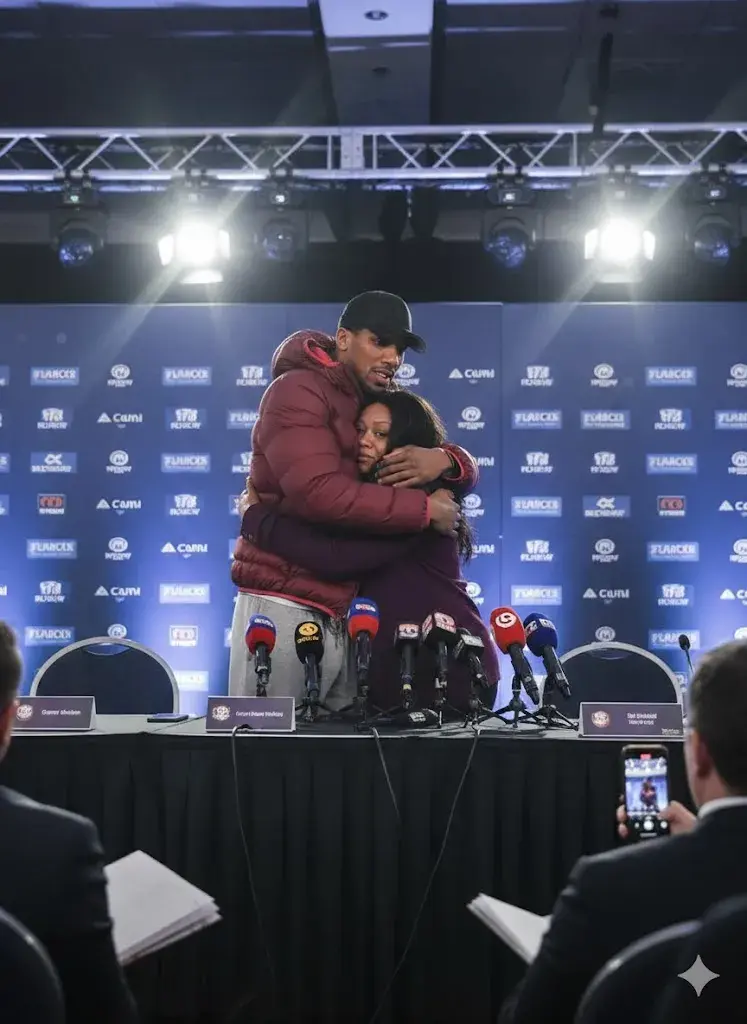
Standing at the grave, Joshua announced his retirement from boxing, effective immediately. He said no title, no legacy, and no amount of money could outweigh the burden of continuing while carrying such unresolved guilt and fear.
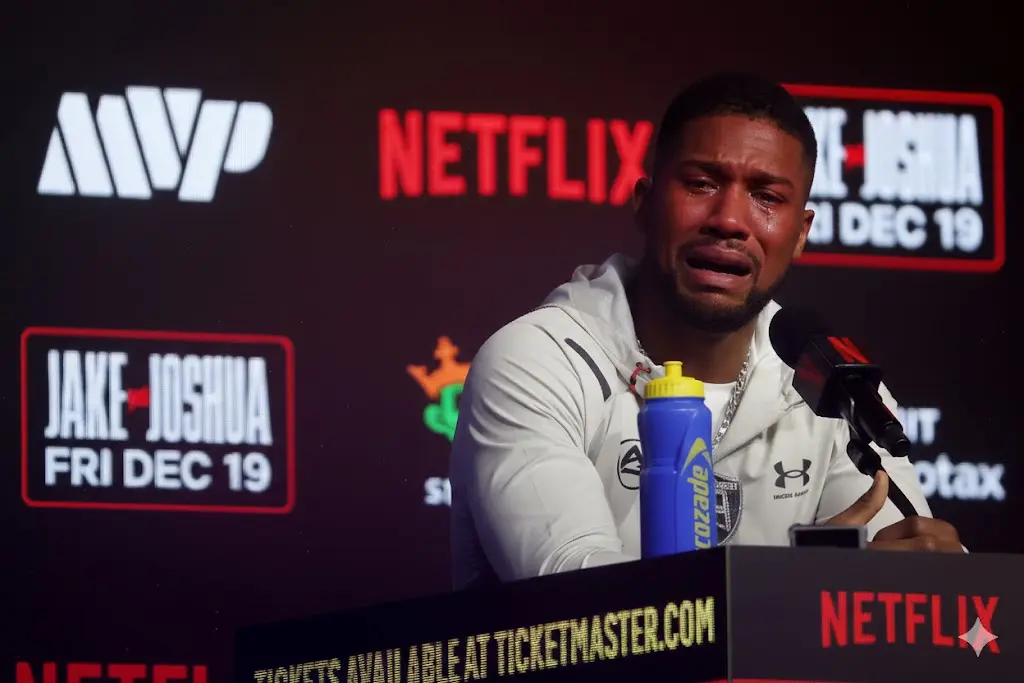
The announcement stunned promoters, fans, and fellow fighters. Many had expected another championship run, perhaps one final redemption arc. Instead, they watched a broken man choose peace over glory, humanity over applause.
Former rivals expressed shock and sympathy. Several praised Joshua’s courage, not for stepping into the ring, but for stepping away. Others quietly acknowledged the dangerous realities that surround fame, wealth, and powerful interests.
Joshua emphasized that his retirement was not an escape, but a responsibility. He vowed to pursue the truth about Latif’s death through private channels, regardless of consequences, determined to honor his friend’s sacrifice.
He also pledged to fund safety initiatives for athletes and their teams, ensuring independent inspections and protections. “No one should die for standing next to a dream,” Joshua said softly, hands trembling as he addressed the crowd.
Fans gathered outside the cemetery long after he left, leaving gloves, candles, and handwritten notes. Many wept openly, not only for Latif, but for the loss of an era defined by Joshua’s strength and vulnerability.
The boxing world will remember Anthony Joshua as a champion of power and discipline. Yet this moment may define him more deeply: a man who chose truth over silence, and conscience over crowns.
As night fell, the grave stood quiet again. Only flowers remained, damp with rain. Somewhere beyond the cameras, Anthony Joshua walked away from the ring forever, carrying a promise heavier than any belt.
The truth about that night may never fully surface. But one thing is clear: Latif Ayodele did not die forgotten. His name now echoes through a story that changed a champion’s life, and perhaps saved others from the same fate.