
The Actor Immediately Cut Off The Premise And Offered A Legendary Correction That Validated Millions Of Viewers. When The Interviewer Brought Up The Loaded Term, Cavill Bluntly Said: “I Don’t Call It Toxic, I Call It Passion.” Find Out Why His Defense Of Fandom Sparked A Standing Ovation Online!
During a recent televised appearance, Henry Cavill found himself at the center of an unexpected cultural moment. What began as a routine interview quickly shifted when a reporter introduced a controversial characterization of his fan base.
The interviewer suggested that some segments of online fandom could be described as “toxic,” inviting Cavill to comment. The phrasing appeared designed to prompt agreement or elaboration on negative stereotypes associated with passionate entertainment communities.
Cavill, however, declined to accept the premise. Interrupting politely but firmly, he reframed the narrative with a concise response that resonated widely: “I don’t call it toxic, I call it passion.”
The remark, delivered calmly, immediately shifted the tone of the exchange. Rather than endorsing criticism, Cavill emphasized appreciation for fans who invest time, creativity, and emotion into stories and characters they love.
Clips of the moment circulated rapidly across social media platforms. Viewers praised the actor for defending supporters who often feel dismissed by mainstream commentary about online behavior.
Fandom in the digital era has become more visible and influential than ever. Communities organize conventions, create art, write fiction, and mobilize campaigns supporting franchises and performers.
Cavill has long acknowledged the dedication of audiences who follow his work, whether in fantasy adaptations, action films, or other high-profile projects. He frequently speaks about respecting source material and honoring passionate supporters.
Observers noted that the reporter’s question reflected a broader debate. Online spaces can sometimes host heated exchanges, but many participants argue that enthusiasm should not be conflated with hostility.
By reframing the conversation, Cavill distinguished between harmful conduct and genuine engagement. His seven-word reply underscored the importance of recognizing intent and emotional investment.

Media analysts highlighted the significance of rejecting loaded terminology. Accepting the label “toxic” might have validated sweeping generalizations about diverse fan communities.
Instead, Cavill’s response invited nuance. Passion, he suggested, is a driving force behind cultural phenomena, fueling box office success, streaming numbers, and enduring popularity.
Entertainment commentators observed that actors often walk a careful line. They must acknowledge problematic behavior without alienating supportive audiences who sustain their careers.
Cavill’s approach demonstrated balance. He did not deny that negative interactions exist online, yet he resisted branding entire groups with a single descriptor.
Fans reacted with appreciation, sharing personal stories about how fictional universes helped them build friendships or navigate difficult periods in life.
The moment resonated beyond one interview. It tapped into ongoing discussions about the relationship between creators, performers, and increasingly vocal online audiences.
Cultural critics argue that passionate fans sometimes challenge casting choices or narrative directions. While disagreements arise, labeling dissent as inherently harmful oversimplifies complex dynamics.
Cavill’s words suggested that constructive critique and enthusiasm can coexist. Many fans see themselves as collaborators in sustaining beloved franchises through feedback and advocacy.
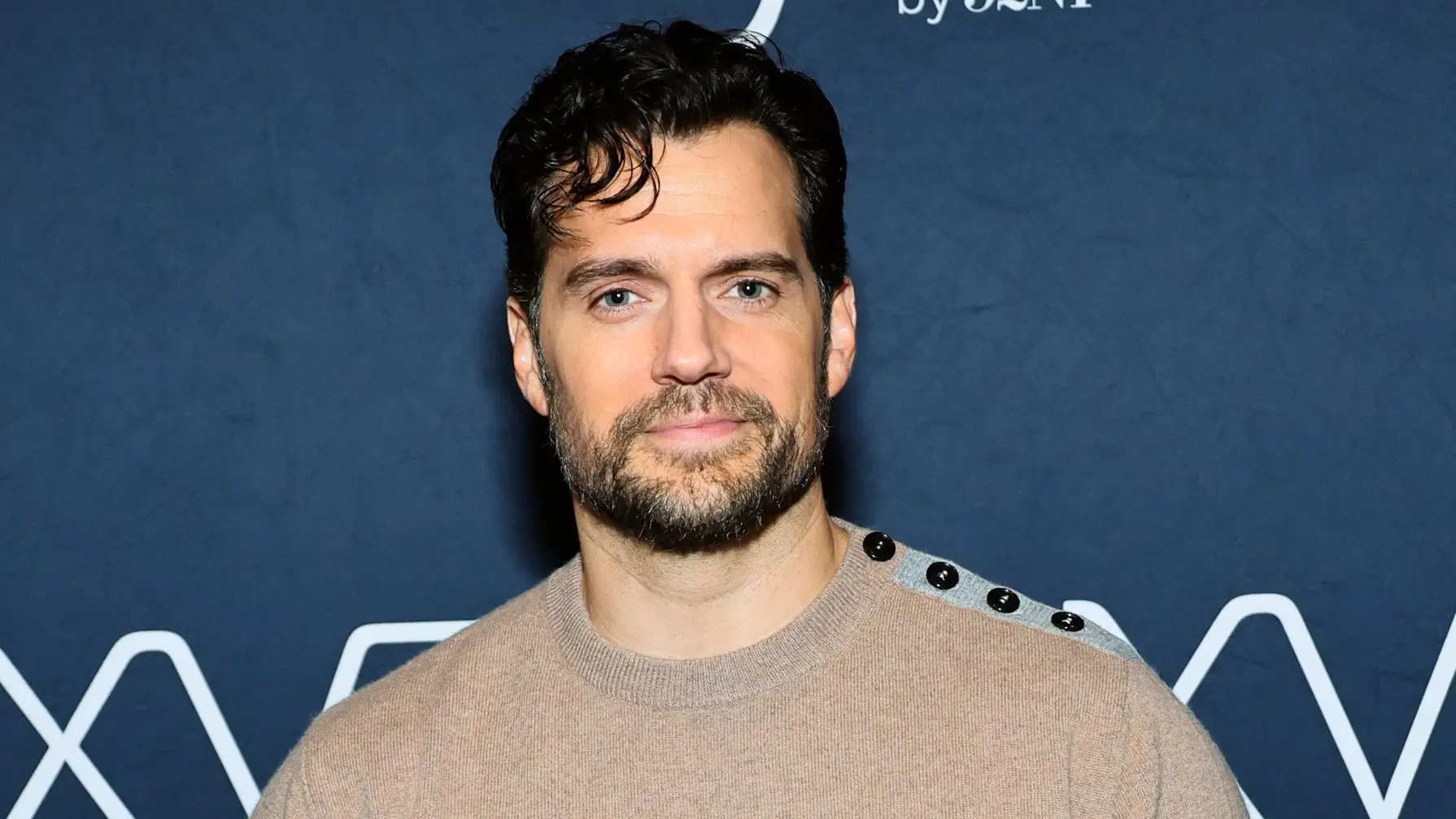
Public figures who validate supporters often strengthen loyalty. By acknowledging passion rather than dismissing it, Cavill reinforced a sense of mutual respect.
Industry insiders noted that audience engagement has transformed marketing strategies. Studios increasingly monitor online communities to gauge reactions and anticipate trends.
The reporter’s framing highlighted tension between traditional media narratives and grassroots fan movements. Cavill’s response bridged that divide with a concise affirmation.
Communication experts observed that language shapes perception. Replacing “toxic” with “passion” reframed the discussion from pathology to vitality.
The viral clip also illustrated how brief statements can define public perception. In an era of short-form video, a single sentence can carry significant cultural weight.
Supporters described the exchange as empowering. They felt seen and acknowledged rather than stereotyped as overly critical or disruptive.
Critics cautioned that passion should still be guided by respect. They emphasized that enthusiasm does not excuse harassment or harmful commentary.
Cavill’s stance implicitly supported that distinction. By separating passion from toxicity, he highlighted the importance of evaluating actions individually.
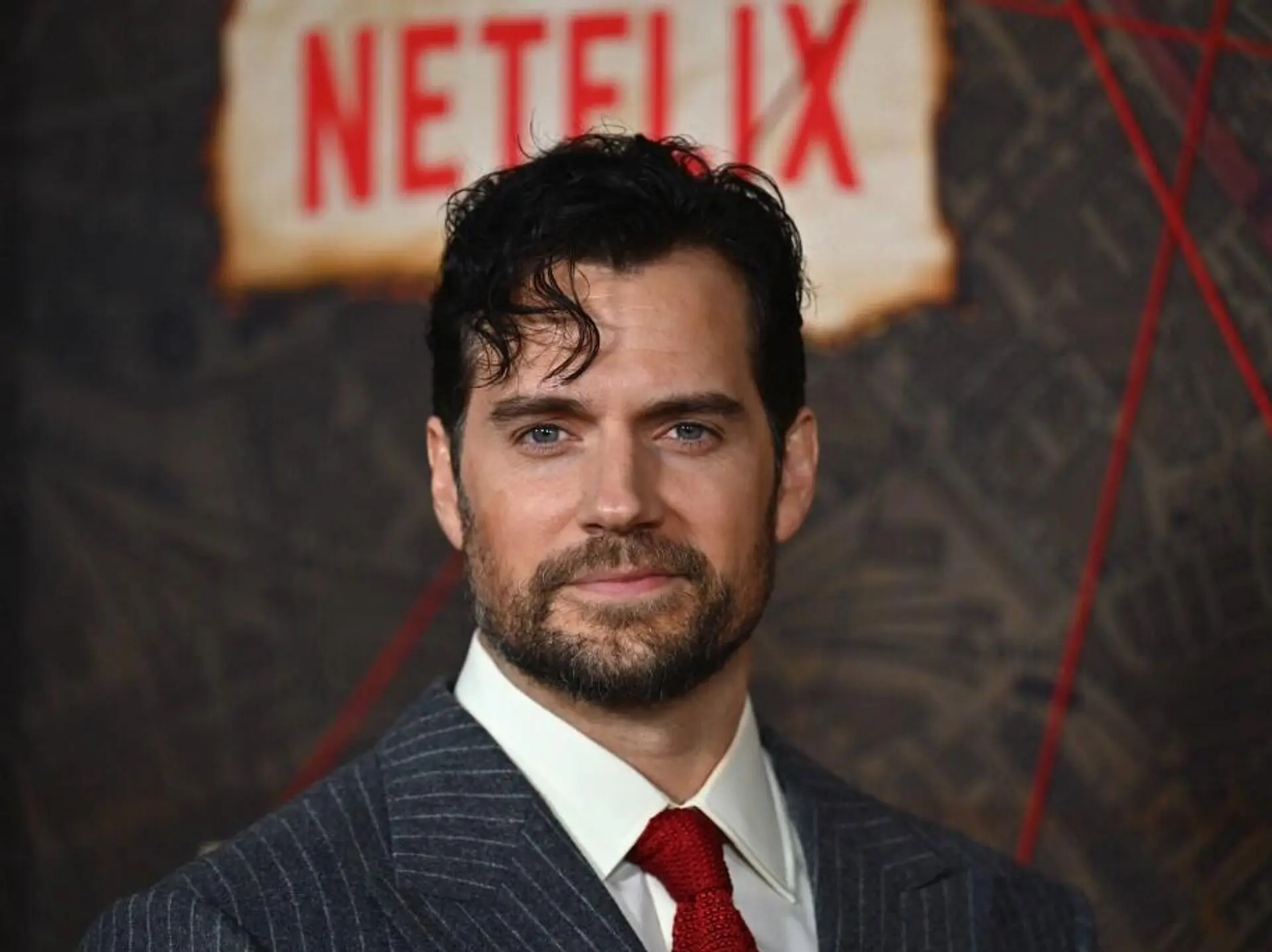
Entertainment journalists reflected on the broader implications for celebrity interviews. Leading questions may generate headlines, but thoughtful responses can reshape narratives.
The online standing ovation that followed demonstrated collective appreciation. Millions viewed, shared, and commented on the clip within hours.
Observers suggest that moments like this reveal shifting expectations of public figures. Audiences increasingly value authenticity and directness over rehearsed neutrality.
Cavill’s measured tone contributed to the impact. He neither escalated nor retreated, instead offering a calm correction grounded in respect.
The episode underscores how fandom has evolved from niche gatherings to global communities. Digital connectivity amplifies both positive and negative interactions.
Ultimately, the exchange became more than a television moment. It reflected ongoing negotiations about identity, community, and expression in modern entertainment culture.
By defending fans with seven simple words, Cavill reaffirmed the idea that enthusiasm fuels storytelling. His response continues to resonate as a reminder that passion, when expressed constructively, remains a powerful cultural force.