
Online discussions recently reignited speculation about Henry Cavill’s departure from the fantasy series The Witcher. Viral posts claimed the actor had expressed strong dissatisfaction with his experience portraying Geralt, suggesting serious behind-the-scenes conflict during the show’s production.
As of now, there is no verified interview in which Henry Cavill states that he “hated” playing Geralt. Many circulating headlines appear to amplify older comments about creative differences rather than introduce new confirmed statements.
Henry Cavill first appeared as Geralt of Rivia when The Witcher premiered on Netflix in 2019. The adaptation, based on Andrzej Sapkowski’s novels, quickly gained international popularity and developed a dedicated fan base.
Cavill has previously spoken about his enthusiasm for the source material. In multiple interviews, he described himself as a long-time admirer of both the books and the video game adaptations, expressing appreciation for the character’s complexity.
Rumors of tension behind the scenes began circulating after Netflix announced that Cavill would step down from the role following the third season. The streaming platform later confirmed that Liam Hemsworth would take over as Geralt in future installments.
Speculation about creative disagreements often arises when major cast changes occur. In this case, some fans interpreted Cavill’s departure as evidence of conflict regarding storytelling direction or fidelity to the original novels.
However, neither Cavill nor Netflix has publicly described the production environment as hostile. Official statements have focused on gratitude, collaboration, and excitement for future projects rather than accusations or disputes.
Entertainment analysts note that large productions frequently involve creative debates. Differences in interpretation between actors, writers, and producers are common in television and film development, especially when adapting beloved literary works.
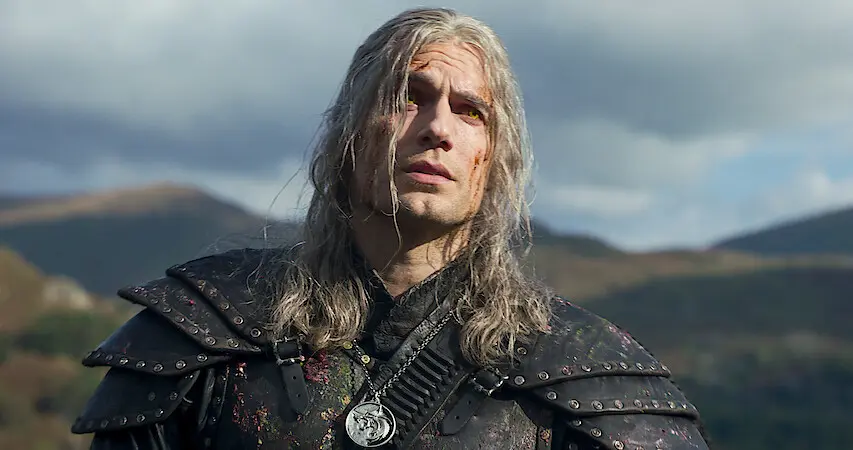
Cavill’s portrayal of Geralt was widely praised for its physical commitment and reserved intensity. Many viewers credited him with capturing the character’s stoic demeanor and moral complexity.
Following his exit from The Witcher, Cavill confirmed his return to the Superman role before later updates reshaped that project’s direction as well. These developments fueled further speculation about his professional priorities.
In interviews, Cavill has emphasized his desire to honor source material and deliver performances aligned with original themes. Fans who favor faithful adaptations have cited these remarks as evidence of potential creative differences.
At the same time, showrunners and writers face the challenge of adapting sprawling fantasy narratives into episodic television. Narrative adjustments are often necessary to fit time constraints and broader audience expectations.
Netflix has not issued statements characterizing the production as troubled. On the contrary, executives have highlighted the show’s strong viewership numbers and global reach.
Industry observers caution against interpreting anonymous reports as definitive proof of conflict. Without direct confirmation from primary sources, dramatic headlines can misrepresent routine professional decisions.
Cavill himself posted a respectful message when announcing his departure, thanking colleagues and fans. His tone suggested appreciation for the experience rather than resentment.
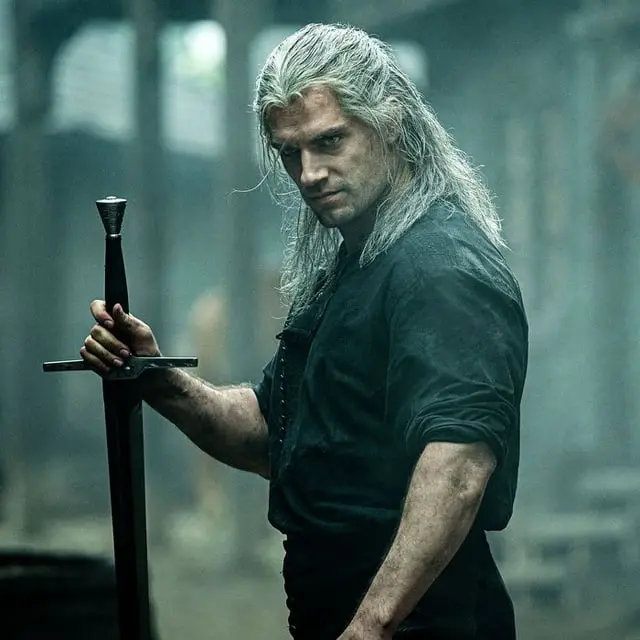
The phrase “toxic” frequently appears in online commentary, yet it lacks a precise definition in this context. Media literacy experts encourage readers to differentiate between confirmed workplace issues and speculative language.
Fantasy franchises often inspire passionate audiences. When creative choices diverge from expectations, discussions can become intense, especially on social media platforms.
Liam Hemsworth’s casting as Geralt marked a significant transition. Netflix expressed confidence in his interpretation, while acknowledging Cavill’s contribution to establishing the series’ identity.
Adaptations of popular novels inevitably involve balancing fidelity and innovation. Writers may expand or alter storylines to accommodate visual storytelling, which can generate debate among fans.
Cavill’s broader career includes roles in action films, historical dramas, and superhero franchises. His decision to leave The Witcher may reflect strategic planning rather than dissatisfaction.
The entertainment industry regularly experiences casting changes due to scheduling, creative direction, or contract considerations. Such shifts do not necessarily indicate conflict or instability.
In recent interviews unrelated to the show, Cavill has continued to express enthusiasm for storytelling and genre projects. He has not publicly described his time on The Witcher in negative terms.
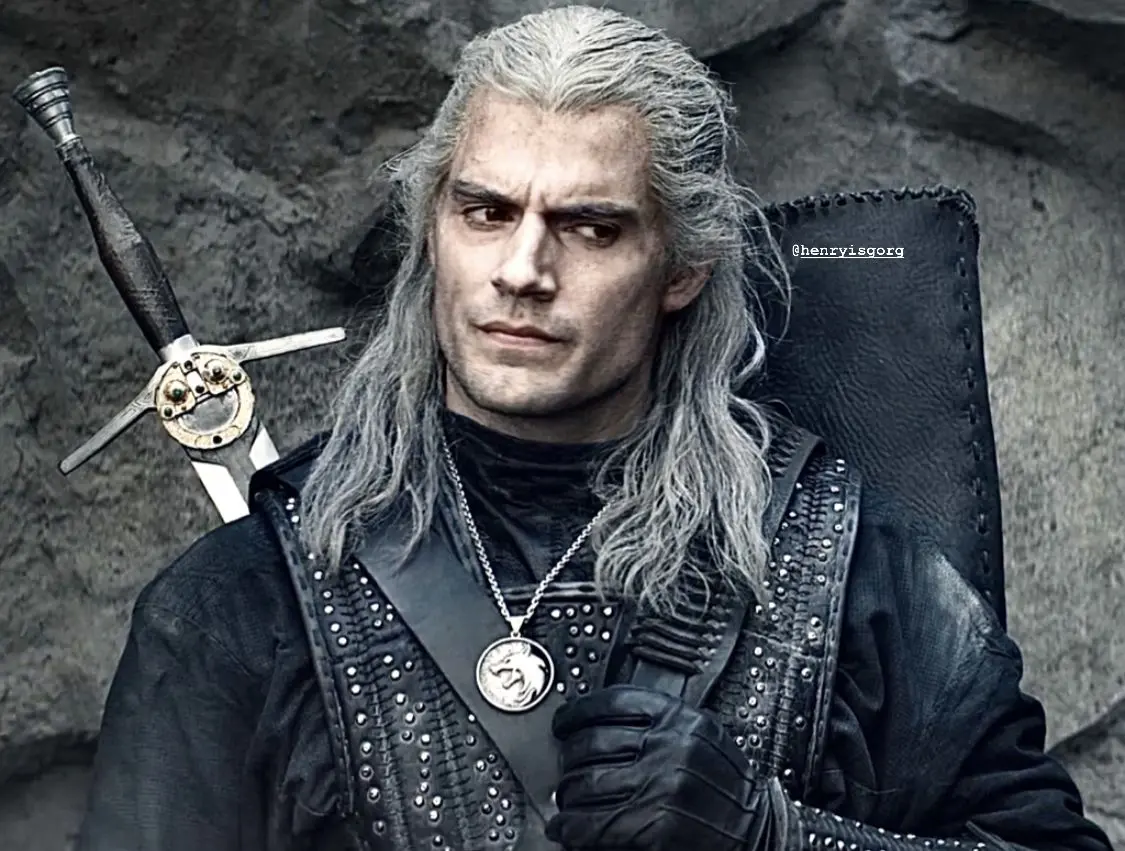
Media commentators suggest that the narrative of “behind-the-scenes war” may stem more from fan speculation than documented evidence. Dramatic framing can attract attention but does not always align with confirmed facts.
Ultimately, the available information points to a professional transition rather than a documented crisis. Without verifiable statements supporting claims of hostility, responsible reporting emphasizes confirmed sources.
The Witcher remains an important part of Netflix’s fantasy portfolio, and its future seasons will determine how audiences respond to the casting change.
For fans, Cavill’s portrayal of Geralt will remain a defining chapter in the series’ history. His departure marks the end of one era, but not necessarily evidence of turmoil.
As discussions continue, viewers are encouraged to rely on interviews, official announcements, and credible outlets. Clear sourcing and measured analysis help ensure conversations remain grounded in accuracy.
In the evolving world of entertainment, creative changes are inevitable. What endures is the shared appreciation for storytelling, performance, and the collaborative effort behind bringing fictional worlds to life.